What Nina Wore
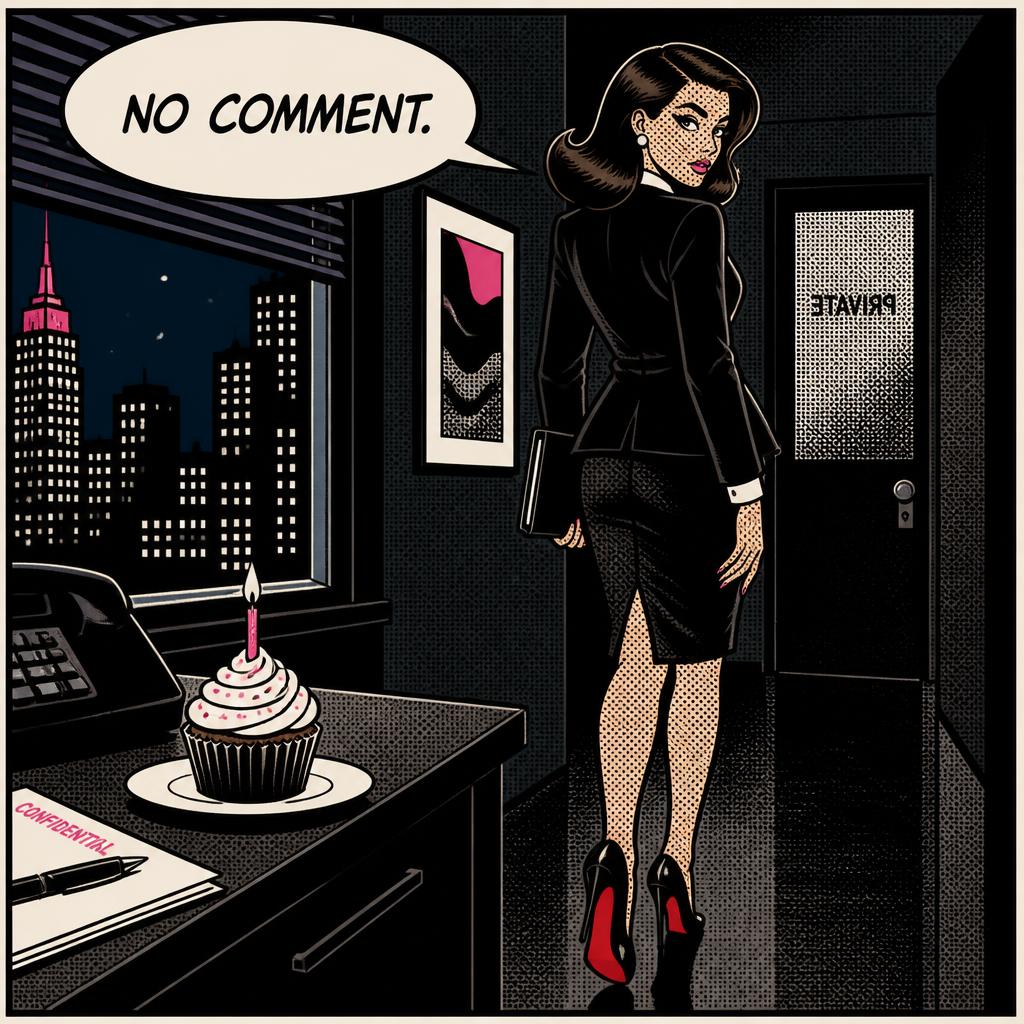
Happy birthday to a woman who doesn't exist.
Nina Delacourt was born on October 17th in Boston, to a corporate attorney and a former magazine editor. If you've ever wondered where a woman learns to read a room and dress for it at the same time, start there. Her father taught her that every sentence is evidence. Her mother taught her that every outfit is one too.
She isn't real. I've spent a lot of time with her anyway.
If you haven't met her yet: Nina is Head of Communications at a company that is about to have a very bad week. She was the last person to see her boss alive and the first to find him dead. She is professionally excellent at not knowing things, the careful management of what she looks at directly and what she keeps at the edge of vision. She is glamorous, but exhausted. Very good in rooms full of people. Not especially good at being known.
You'll learn a lot about Nina from what she does. You'll learn the rest from what she puts on.
In control
When Nina is winning, or performing winning convincingly enough that nobody can tell the difference, she wears black tailoring and silk. Nothing loud. Nothing anyone could quote back to her. A good blazer is a press release you wear: it says only what you've approved.
I dressed her this way because of one line in my notes that I keep coming back to. She has spent years turning fear into polish. Her clothes aren't style. They're converted fear, pressed and hung and ready by seven a.m. She has survived a lot of rooms full of people who mistake composure for consent, and the composure has to come from somewhere. Mostly, it comes from the closet.
Falling apart
Then the week happens, and the costume gets confiscated. Literally.
The clothes she was wearing when she found him go to the police. What she gets in exchange is somebody's spare ThetaChain hoodie and a pair of gray synthetic pants that feel vaguely institutional, as I put it in Chapter Two, as though humiliation came with its own fabric blend.
It's the least Nina outfit imaginable. Merch is what companies hand out so you'll feel like you belong to them, and she knows exactly how that works, because writing that feeling is her job. Now she's wearing her employer's name across her chest on the day it starts eating its own, in pants chosen by nobody.
The hoodie isn't comfort. It's what's left when there's nothing to perform with. Watch for it. When Nina's in the hoodie, she's stopped managing the story and started living in it.
The heels
And then there are the shoes.
Nina wears Louboutins. I'll defend this choice to anyone. A red sole is the only color she allows herself, and it's the only color you can't see while she's facing you. It shows up when she walks away. You only notice it on the way out the door.
Which is, if you've read this far, the whole character.
Confession: I used to picture her with red hair. Somewhere along the way the red moved down. It went from the part of her everyone looks at to the part nobody sees until she's leaving. I think that's where it always belonged.
How much of her is me
People ask. Here's the honest answer: Nina isn't me. She's braver in some rooms and worse in others, and she's having a much worse week. But I know exactly what's in her closet, and I won't pretend I didn't shop for it in my head.
Come meet her
Chapter Two of Monday Is for Murder is up now.
Happy birthday, Nina. Wear the heels.